
Find a Party Wall Surveyor
A Party Wall Survey helps manage building work that affects shared walls, boundaries, or neighbouring structures. It ensures that construction work complies with the Party Wall etc. Act 1996 and protects the interests of all parties involved.

What Is a Party Wall Survey?
A Party Wall Survey relates to proposed building works that affect a party wall, boundary wall, or nearby structure. The survey process is designed to prevent disputes by setting out clear rights, responsibilities, and protections for both building owners and adjoining owners.
It results in a formal Party Wall Award that outlines how the work should be carried out.
What Does a Party Wall Survey Cover?
A party wall survey typically covers shared walls, boundary walls, and excavation works near
neighbouring buildings. It considers the potential impact of construction
activities and outlines safeguards to reduce risk and disruption.
The survey ensures that work is carried out in accordance with
legal requirements and agreed procedures.
When Is a Party Wall Survey Required?
A party wall survey is usually required when construction work involves a shared wall, building close to a neighbouring property, or altering boundary structures. This commonly includes extensions, loft conversions, basement works, and structural alterations.
The process applies when works fall under the Party Wall etc. Act and neighbouring owners do not provide written consent.

Who Needs a Party Wall Survey?
Party wall surveys are commonly required by homeowners, property developers, and commercial
property owners planning construction work. Adjoining owners may also
be involved in the process to protect their property interests.
Anyone carrying out notifiable works under the Party
Wall etc. Act may need a party wall survey.
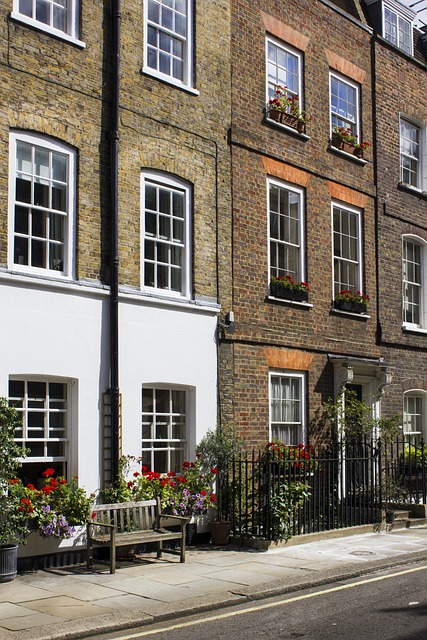
How the Party Wall Process Works & What the Award Includes
The party wall process begins with serving formal notice to adjoining owners. If consent is not given, a party wall surveyor is appointed to act impartially and manage the process.
The Party Wall Award sets out the details of the proposed works, working methods, access arrangements, and measures to protect neighbouring properties. It also includes a schedule of condition, recording the condition of the adjoining property before work begins.
This document provides legal protection and helps minimise the risk of disputes.
Who Can Act as a Party Wall Surveyor?
Party wall surveyors should have relevant experience and a strong understanding of the Party
Wall etc. Act 1996. They act impartially, even when appointed by one party, and
are responsible for ensuring the process is fair and legally compliant.
Party Wall FAQs
Notifiable work includes building on or altering a shared wall, constructing a new wall on a boundary, and excavating near a neighbouring property. Typical examples include extensions, loft conversions involving steel beams, and basement excavations.
No. Neighbours are given the opportunity to consent, but they are not required to agree. If consent is not provided, a party wall surveyor is appointed to resolve the matter through a formal Party Wall Award.
Costs depend on the complexity of the works and whether one or two surveyors are appointed. Typical ranges are:
Straightforward residential works: £700 – £1,000
More complex or extended projects: £1,000 – £2,500+
In most cases, the building owner proposing the works pays the fees.
If damage occurs, the Party Wall Award sets out how it should be addressed. This may involve repairs, compensation, or making good the damage, based on the pre-works schedule of condition.
Yes. A single “agreed surveyor” can act impartially for both the building owner and the adjoining owner, provided both parties consent. This can reduce costs and simplify the process.
The process typically takes 3 to 8 weeks, depending on notice periods, neighbour responses, and the complexity of the works. Early preparation helps prevent construction delays.
If a neighbour does not respond within the required timeframe, they are deemed to have dissented. A party wall surveyor is then appointed to proceed with the process on their behalf.
Yes. A Party Wall Award is a legally binding document. Both parties must follow its terms, and it can be enforced if disputes arise.
Yes. An award can be appealed in court within 14 days of being served, but appeals are usually only successful if there is a legal or procedural er
No. A Party Wall Survey is separate from planning permission and building regulations approval. All three processes may be required, depending on the project.
Look for a surveyor with proven party wall experience, clear fee structures, and a strong understanding of the Party Wall etc. Act 1996. This directory allows you to compare surveyors and request quotes easily.